
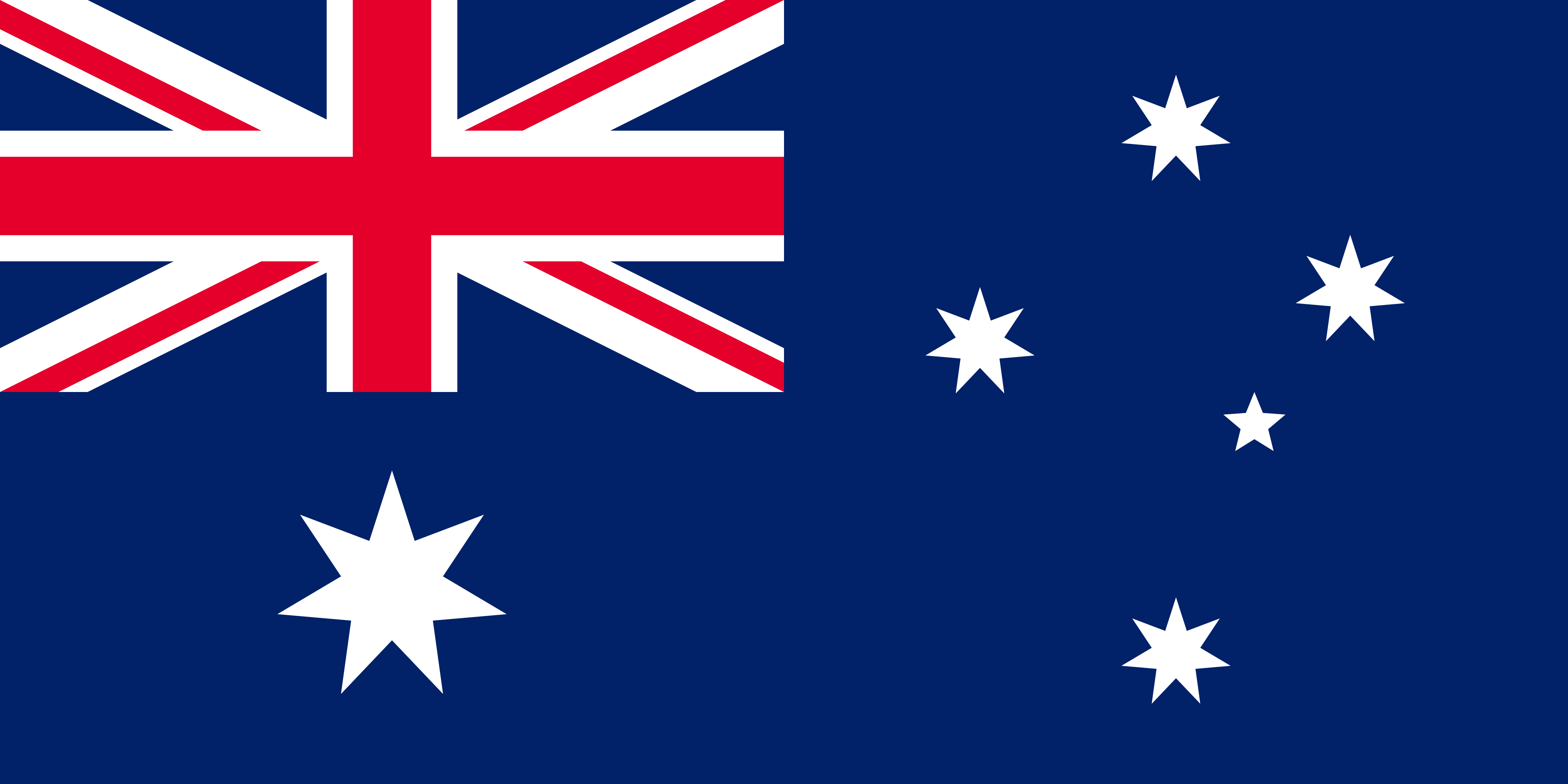

The guide separates player legality from operator authorisation and explains how offshore casino play fits Australia's regulatory framework.
The Australian Rules Behind Real-Money Online Casinos
Australia draws a sharp legal line between the business of supplying online casino games and the act of playing them. Under the Interactive Gambling Act 2001, operators cannot provide real-money online casino services to people in Australia unless they hold an Australian state or territory licence. No such Australian-licensed real-money online casino currently exists under this framework. The practical result is that the familiar idea of choosing among locally licensed online casinos does not fit this market.
The distinction matters because the law does not treat the operator and the individual player as interchangeable parties. Playing at an offshore online casino is not itself illegal for an Australian player. The prohibition is directed at the service offered to people in Australia, not at the person who places a bet. That does not turn an offshore site into a lawful Australian casino, nor does it make the operator’s service locally authorised.
It is an unusual arrangement, though not an incoherent one. A person may encounter a service that accepts Australian customers while the business behind it remains outside the legal framework for providing online casino games here. The location and status of the operator, rather than the player’s mere presence on a website, are central to the distinction. A site’s willingness to take Australian customers is not evidence that it has permission to do so.
This is the necessary context for any guide to real-money online casinos in Australia. A “top ten” label can suggest a conventional comparison between licensed domestic businesses. Here, it cannot. Any offshore operators discussed in connection with Australian players sit outside Australian gambling regulation; they are not local casinos simply because their websites are available in English, refer to Australian customers or offer familiar payment options. The wording of a website is not a licence.
Enforcement is visible as well as legal. The Australian Communications and Media Authority, or ACMA, actively blocks offshore gambling sites. Blocking does not alter the underlying distinction: it is a measure aimed at restricting access to services that are prohibited from operating in the Australian market. Nor does a blocked site become locally regulated if it later appears under a different web address. The relevant point remains the status of the service, not the ease with which a customer can find it.

That combination can seem paradoxical: a player is not committing an offence simply by playing offshore, while the operator is not entitled to provide real-money casino games to people in Australia without the required local licence. The law separates the two roles. It also means that a list of sites associated with Australian play should not be read as a list of Australian-licensed casinos. Those are different claims, despite how easily a page can make them look alike.
The distinction has consequences beyond terminology. A locally licensed casino would operate within Australian gambling regulation; an offshore site does not acquire that status through its marketing or its popularity with local players. The absence of a local licence is not a technical footnote. It is the dividing line between a service authorised to operate here and one that is not.
So the phrase “online casino in Australia” needs care. It may describe a site that Australians can encounter, but it does not establish that the site is licensed to serve them. Legal responsibility falls differently on the operator and the player, and enforcement agencies seek to restrict the prohibited service. A ranking may describe what is being promoted; it cannot make an offshore casino local.
What “Australian Casino” Means When the Licence Is Offshore
“Australian casino” can describe a site’s intended audience, not the country that regulates its gambling services. The distinction matters. A page may use Australian currency, refer to local payment methods or present itself as suitable for Australians, while its licence comes from an overseas jurisdiction. Familiar language and a local-facing design do not make the operator Australian-licensed.
A specialist review describes the casinos featured in this guide as operating under offshore licences, including licences associated with Curaçao eGaming or the Malta Gaming Authority (MGA), rather than Australian gambling licences. These are foreign regulatory arrangements. They should not be mistaken for permission issued by an Australian state or territory, or for supervision by an Australian regulator.
Legal Status
Under the Interactive Gambling Act 2001, no Australian-licensed real-money online casinos currently exist, and providing such services without a local licence is prohibited.
Under the current framework, there is no Australian-licensed real-money online casino. That leaves a sharp gap between the label used in marketing and the legal status of the service. “Australian” may tell something about the audience a site hopes to attract; on its own, it tells nothing about where the operator is licensed or which authority oversees it.
What an offshore licence does—and does not—mean
A licence from another jurisdiction places an operator within that jurisdiction’s regulatory system, subject to the rules and oversight that apply there. It does not bring the service under Australian gambling regulation. The offshore casinos discussed here are not regulated within Australia, even when their websites are aimed at Australian visitors.
That distinction shapes the consumer-protection picture. A local-facing site may appear familiar, but the regulatory relationship remains foreign. Any protections attached to an offshore licence arise from the issuing jurisdiction, not from Australian oversight. The existence of a licence is therefore not the same as local regulation, and a badge or statement on a website is not, by itself, proof that the licence is current or applies to the service being offered.
The word “licensed” can sound reassuring because it suggests an authority standing nearby. In this setting, that authority is elsewhere. The distance is not merely geographical: it marks which rules apply and which regulator has responsibility for the operator.
Why the label can mislead
The phrase “Australian online casino” often folds several different ideas into one: a site that accepts Australians, a site that uses local references, and a casino regulated in Australia. Those meanings are not interchangeable. In this market, an Australian-facing casino may be offshore-licensed, while no locally licensed real-money online casino exists under the current framework.

For that reason, an overseas licence should be read as a statement about the operator’s regulatory home, not as a guarantee of Australian approval or protection. Licence details can change, and a claim on a site should be checked against the relevant regulator’s own records. That check can clarify what the licence covers; it cannot turn an offshore authorisation into an Australian one.
The naming is convenient. The jurisdiction is not.
Casino Games, Age Limits and the Stakes of Play
“Casino games” sounds like a tidy category, but it gathers together different kinds of play under one familiar label. There are games built around cards, games organised at a table, and games in which chance is presented through a digital interface. Their formats may differ; the shared feature is that money can be put at risk in the hope of a return. That common stake matters more than the screen on which play appears.
A phone, tablet or computer changes the shape of the experience, not the nature of the wager. A casino-style game on an iPhone is still an online game; the same is true on a desktop or a Windows device. Screen size may alter how information is displayed and how a person interacts with it, but it does not turn gambling into something else. Nor does a catalogue become a meaningful ranking merely because it is described as a “top” selection. Without a stated and verifiable basis for comparison, that label says more about presentation than quality.
Age Requirement
Australia's age boundary for gambling is 18; however, this eligibility does not guarantee financial security or immunity from harm.
The distinction between real-money play and entertainment matters too. A digital game can imitate the look and rhythm of gambling without involving a real-money stake. Where money is involved, the stakes are not metaphorical: a balance can be lost, and an apparent win may encourage further play. The interface can make these events feel like separate turns in a private little world. They remain decisions involving money.
Australia’s age boundary for gambling is 18. It is a straightforward line, but it carries a broader social judgement: adults may make choices about gambling that are not treated as suitable for children. The boundary does not promise that every adult is equally prepared for the financial and emotional consequences of play. Age establishes eligibility in general terms; it does not establish sound judgement, financial security or immunity from harm.
That distinction is easy to lose in the polished language of online entertainment. A game may be described as casual, social or mobile, while its real-money version still belongs to gambling. The device can make access feel personal and ordinary: a screen carried through the day, rather than a destination set apart from daily life. Familiarity, however, is not a safeguard. A private setting can make play less visible to others, not less consequential.
There is also a difference between the rules attached to age and the legal status of a service. Being an adult does not mean every real-money casino game offered online is authorised for Australian residents. The Interactive Gambling Act 2001 prohibits operators from providing these services to people in Australia. The rule concerns the provider’s conduct; the age threshold concerns who may gamble. They answer different questions, and neither should be mistaken for the other.

This is why a general list of online casino games can be a misleading way to think about the subject. A list suggests that the choice is mainly one of taste: one format against another, one screen against another. In practice, the important questions begin earlier. Is the activity entertainment without a real-money stake, or gambling? Is the person old enough to gamble? And is the service permitted to offer that form of play in Australia? The order matters.
The language of play tends to make risk sound light. “Game” is a small word for an activity in which money may disappear; “mobile” describes the device, not the consequences. The age line is clear. What happens on either side of a decision is less so.
Slots and Slot Machines Without the Brand Names
Online slots occupy a peculiar place in the vocabulary of gambling. They are called slots, slot machines and, in Australia, often pokies: a mechanical name carried into a digital room, where the handle has vanished but the familiar promise of a result remains. The word survives the machine that gave it shape. Language is often more durable than hardware.
That endurance can make the category seem more settled than it is. A search for the best online slots may sound like a request for a neat league table, but a game’s appeal is not a single measurable thing. One player may care about its pace, another about its visual style, another about whether its rules are easy to follow. The label “best” gathers those private preferences into one public verdict, then conceals the disagreement underneath.
Attention: Labels like "best" or "top" often reflect private preferences or promotional typography rather than a verifiable, universal ranking.
There is no reliable universal ranking in that word alone. Nor does a list become meaningful simply because it is numbered. A ranking needs a stated basis: what is being compared, when it was assessed and which features count. Without that, “top” is less a finding than a confident bit of typography. The confidence is cheap.
What the category does—and does not—say
A slot is a kind of game, not a certificate of quality or safety. The name does not tell anyone who operates the service, what jurisdiction oversees it, or what practical protections apply. Those are separate questions, and the bright vocabulary around a game cannot answer them. A polished screen may make a product feel familiar; familiarity is not oversight.
The distinction matters particularly in Australia. The Interactive Gambling Act 2001 treats online slots offered for real money to people in Australia as prohibited interactive gambling services. The rule concerns the operator providing the service; playing at an offshore casino is not illegal for an individual Australian player. That does not turn an offshore site into a locally licensed casino, or make the game’s presentation a guide to its legal status.
The Australian Communications and Media Authority actively blocks offshore gambling sites. Australian banks and payment processors are also often directed to block transactions to listed gambling domains. Access can therefore be interrupted at more than one point. A site’s appearance in a browser, when it appears, is not proof that it is approved in Australia.
This creates a familiar modern contradiction: digital services can be visible, discussed and sought after while remaining outside the local licensing framework. The screen looks intimate, almost domestic; the legal arrangement is anything but. The machine has moved into the house, but the authority responsible for it has not.

Why “top” is a slippery word
The desire for a shortlist is understandable. Online catalogues can be extensive, and familiar labels such as “highest RTP” or “jackpot” appear to offer a quick way through. Yet a label is useful only when its meaning is clear and the underlying information can be checked. A ranking built from unexamined promotional language does not become independent because it has been arranged in order.
The same caution applies to claims about the biggest crypto casinos or the most generous slot titles. Those phrases combine different matters: the size or structure of a gambling service, the payment methods it accepts, and the characteristics of a particular game. They are not interchangeable measures. A casino’s use of cryptocurrency, for instance, says nothing by itself about whether an individual slot is suitable, fair or lawful to offer in Australia.
A game list also needs actual games. The empty podium is the honest one.
This is especially important with real-money play, where the word “best” can quietly suggest a recommendation. A list of titles might be read as an endorsement even if it was intended as a casual catalogue. But popularity, appearance and a promotional label cannot establish that a service is authorised to provide gambling in Australia. The legal position attaches to the service and its offer, not to the charm of its graphics.
Reading the language around slots
“Online slot machine” often describes the digital form of a familiar game, while “pokies” is the local word many Australians use for the broader category. Neither expression changes what the activity is. The terminology may shift from a search page to an advertisement to a casino menu, but the important distinction remains between a game’s presentation and the status of the service offering it.

Claims about jackpot play can make the distinction blurrier. A large-sounding prize is an attention-grabber, not a measure of the operator’s standing or a promise of an outcome. Likewise, a high-return label, where one is used, refers to a particular claim about a game rather than the reliability of the site around it. The claims need context; the graphics tend not to provide it.
In Australia, even a slot presented as ordinary entertainment sits within a restrictive legal framework when offered online for real money. That is why lists of “best slots” cannot be treated as simple shopping guides. They leave out the question that matters before preference: whether the service is permitted to provide the game to people located here. A game title cannot settle that question on its own.
The old machine was a visible object in a particular place. Its digital descendant can arrive dressed as a collection, a lobby or a page of recommendations, but the change in setting has not erased the rules around the service. A name can help identify the kind of game. It cannot certify the ground beneath it.
Pokies and Live Casino Play in an Offshore Market
“Pokies” is the word Australians brought from the public gaming floor into the online vocabulary. It carries more than a preference for a particular kind of machine: it belongs to a local history of gambling as an ordinary, visible part of leisure, governed through venues and state rules. Online, the familiar word travels into a less familiar arrangement. A site may be designed for Australian players without being an Australian-licensed casino.

That distinction matters when pokies and live casino play appear together. A pokie is a digital game played through a screen; a live table presents a streamed dealer and a view of play unfolding in real time. The second format borrows the theatre of a physical room—the dealt cards, the wheel, the dealer’s presence—while leaving the service itself in the hands of an offshore operator. The camera gives the room a convincing geography. It does not move the operator’s licence to Australia.
The local regulatory position is not created by Australian phrasing, currency or familiarity. Under the Interactive Gambling Act 2001, offering real-money online casino games to people in Australia is prohibited unless the operator holds a state or territory licence. No Australian-licensed real-money online casino currently exists under this framework. A site serving the market from abroad therefore does not become local simply because its pages use the language of Australian play.
This is one reason a list promising the “top” online pokies or mobile casinos needs to be read as a claim about an offshore service, not as a directory of Australian-licensed venues. The word “Australian” may describe the intended audience, the search wording or the payment options presented. It does not establish who regulates the operator, where that operator is based, or what protections apply to a dispute. A familiar label can be a poor substitute for a legal address.
Mobile access changes the shape of the experience, but not its jurisdiction. A phone can place a streamed table beside a commute, a kitchen bench or a late-night sofa; the service remains the same offshore service that would appear on a larger screen. Convenience is an intimate quality. Regulation is not. The smallness of the device can make the distance between player and operator feel negligible, although the distance becomes plain when a transaction is blocked or a complaint must be pursued across borders.

The Australian Communications and Media Authority actively blocks offshore gambling sites. Banks and payment processors may also be instructed to stop transactions connected with gambling domains on the relevant lists. These measures affect the practical route to a site as well as the language used to describe one. A page may be visible at one moment and unavailable later; a payment option shown by an operator may not work through a particular Australian provider. Neither an advertised method nor a working link is evidence of local authorisation.
There is an odd contrast in the way live casino play is presented. The dealer is made visible, the table is staged as a social place, and every gesture seems to insist on presence. Yet the player is not in that room, and the operator may be under a foreign regulator. The performance is immediate; accountability can be remote. A live feed is not a local venue, however persuasive its lighting.
A specialist review of the casinos featured with this guide describes them as operating under offshore gaming licences, most commonly issued through Curaçao eGaming. That description belongs to those reviewed operators; it is not a general certificate for every site carrying pokies or live tables. An offshore licence also does not make a casino regulated within Australia. The regulator named on a site’s footer and the authority available to an Australian customer are not interchangeable things.
The same caution applies to promotions attached to pokie play or live tables. An offer can make an offshore service look less like a distant business and more like a familiar local product, but the promotion does not alter the operator’s status. Nor does an advertised bonus tell the whole story of its conditions. The commercial language is designed to feel immediate. The terms are where the limits sit.
The broader point is not that online pokies and live casino play are identical. One is a screen-based game; the other borrows the visible rituals of a staffed table. Their shared feature in Australia is the offshore setting in which such real-money casino services are offered. The format may change from reels to a streamed dealer, from a larger screen to a phone. The regulatory question remains stubbornly uncinematic.
A local word. A distant room.
A “Best Casino” Claim Begins With the Licence
Choosing a real-money casino in Australia means weighing practical details such as licensing, deposit requirements and payout methods. Use these operator notes as a starting point, and check the terms that apply to you before depositing.
-
WinSpirit Casino
- License
- Curacao eGaming OGL/2024/923/0383 (Antillephone N.V.)
- Min. deposit
- A$30
WinSpirit Casino lists a Curacao eGaming OGL/2024/923/0383 licence issued by Antillephone N.V. Its minimum deposit is A$30.
-
SkyCrown
- License
- Tobique Gaming Commission
- Payout speed
- crypto ~10-15 minutes, fiat 1-5 days
- Min. deposit
- A$30
SkyCrown lists a Tobique Gaming Commission licence and a minimum deposit of A$30. Its stated payout speeds are around 10–15 minutes for crypto and 1–5 days for fiat.
-
Vegaz Casino
- License
- Curacao OGL/2024/1335/0780
- Min. deposit
- EUR 20
Vegaz Casino lists a Curacao OGL/2024/1335/0780 licence. Its minimum deposit is EUR 20.
-
Ricky Casino
- Payout speed
- crypto under 1 hour, PayID 1-3 business days
- Min. deposit
- A$20 (A$30 to qualify for the bonus)
Ricky Casino has a minimum deposit of A$20, or A$30 to qualify for the bonus. Its stated payout speeds are under one hour for crypto and 1–3 business days for PayID.
-
DragonSlots Casino
- License
- Curacao Gaming Authority (Jumpman Gaming Ltd)
DragonSlots Casino lists a Curacao Gaming Authority licence, with Jumpman Gaming Ltd named in connection with it.
-
Thor Casino
- License
- Curacao – Antillephone N.V. (Versus Odds B.V.)
- Min. deposit
- EUR 20
Thor Casino lists a Curacao licence from Antillephone N.V., with Versus Odds B.V. named in connection with it. Its minimum deposit is EUR 20.
-
JustCasino
- License
- Curacao Gaming Control Board
JustCasino lists a Curacao Gaming Control Board licence.
-
Rollero Casino
- License
- Curacao Gaming Control Board OGL/2023/176/0095 (Hollycorn N.V.)
Rollero Casino lists a Curacao Gaming Control Board OGL/2023/176/0095 licence, with Hollycorn N.V. named in connection with it.
-
GoldenCrown
- License
- Curacao Gaming Control Board OGL/2023/176/0095 (Hollycorn N.V.)
GoldenCrown lists a Curacao Gaming Control Board OGL/2023/176/0095 licence, with Hollycorn N.V. named in connection with it.
-
Uptown Pokies
- License
- Curacao (operating since 2017)
- Min. deposit
- A$20
Uptown Pokies has operated since 2017 and lists a Curacao licence. Its minimum deposit is A$20.
A label such as “best casino” can describe almost anything: a polished website, a generous-looking promotion, a wide menu of games or simply a name placed near the top of a list. None of those features establishes who oversees the operator. For an Australian-facing site, the first useful distinction is between an offshore gambling licence and permission to operate under Australian gambling law. They are not interchangeable.
Offshore operators may hold licences issued in jurisdictions such as Curaçao, Malta or Anjouan. Those names identify different licensing authorities, not a shared standard or an Australian endorsement. A badge in a website footer is therefore a starting point for checking, not proof that a site is suitable or that every claim made about it is reliable.
The check has two parts. The operator’s own site should state the licence details and the entity covered by them. The relevant regulator’s website should then be consulted to confirm the licence’s current status. Names and status can change; a copied badge or an old review cannot settle the matter. If the operator’s stated details are missing, inconsistent or difficult to match to the regulator’s record, the uncertainty is itself material.
Licence Verification
-
1
Check the operator
Identify the licence details and the entity covered by them on the operator's own website.
-
2
Consult the regulator
Visit the official website of the named regulator to confirm the current status of the licence.
-
3
Match the details
Ensure the stated details are consistent and match the regulator's records to avoid uncertainty.
That is the plain work behind a ranking. Less glamorous than a bonus banner.
A list of the top casino websites may appear to measure quality, but its order can conceal different criteria. One entry may be praised for its interface, another for promotions, and another for payment options. Unless the basis for comparison is clear, “top” is a verdict without a method. A licence check does not settle every question about a site, but it establishes who claims to supervise the operator and where that claim can be examined.
Promotions deserve the same plain reading. A no-deposit offer or a welcome bonus is not a measure of oversight. Its terms may define how it can be used and whether winnings are subject to conditions; the headline alone leaves that out. A bonus can make a site look more attractive without clarifying the operator’s regulatory position. Those are separate questions, and one should not be used to answer the other.
Nor does a familiar payment option certify the casino behind it. A deposit route concerns how money moves; it does not identify the authority responsible for the operator. The same separation applies to an attractive design, a large catalogue or a confident claim to be among the best online casinos. Presentation can be assessed on its own terms. Oversight must be checked independently.
For Australian players, the word “licensed” needs particular care. A foreign licence may describe oversight in the issuing jurisdiction, but it does not turn an offshore site into an Australian-licensed casino. The distinction is easy to blur in promotional language, especially when “licensed” appears without naming the issuer. Precision matters more than the badge.

A considered comparison begins, then, not with the promise of a top-ten list, but with the operator’s identity, the jurisdiction named on its site and the regulator’s current record. Only after those details align can other qualities be weighed without mistaking decoration for accountability. A ranking can recommend; it cannot verify on the reader’s behalf.
Why “Top Casinos in the World” Is a Different Search
A worldwide casino ranking can point to two quite different things: physical destinations and online operators. The words overlap, but the object being compared changes. A city known for casinos is not a casino; a large resort is not an online platform; and a list of online sites says little about where a visitor might go for an evening out.
City and venue searches carry the geography with them. They may be about places to visit, the concentration of casinos in a region, or the scale of a particular property. “Largest” sounds like a single, tidy measure, but it could refer to a building, a gaming floor or a wider resort complex. Without a stated definition, a ranking can look exact while quietly comparing unlike things. The number in its headline does not solve that problem.
Online rankings ask a separate question. They concern services accessed remotely, not city districts or buildings, and “available worldwide” does not necessarily mean available on the same terms everywhere. Operators may hold offshore licences from jurisdictions such as Curaçao, Malta or Anjouan. Those names identify licensing jurisdictions; they do not turn an online casino into a physical destination, or make every operator interchangeable.

The distinction matters especially for Australian readers. A guide to online casinos for real-money play in Australia has a local frame, even when the operators themselves are based elsewhere. A worldwide online list has a much broader, less settled frame: it may gather platforms aimed at different markets and subject to different licensing arrangements. Its apparent reach is not the same as local suitability.
Nor can a list of casino cities answer a question about online play. The reverse is equally true. A digital operator cannot be ranked as one of the world’s largest casinos in the ordinary sense of a physical venue unless the ranking says what it is measuring. Search language often compresses these categories; careful writing has to prise them apart.
Bonus-led lists add another layer. An offer is a changing condition attached to a particular operator, not a stable measure of worldwide standing. A page promising the best online slot websites with bonuses would need to establish what is being compared and under which terms. Without that, the list is more advertisement-shaped than informative.
The same caution applies to searches for casino-heavy states. That wording points to political geography, not necessarily to cities, individual properties or online platforms. Each category has its own boundaries. A global label can make a page sound comprehensive while leaving the reader unsure what it actually covers.
So “top casinos in the world” is not one clean subject. It is a crossroads of travel, venue size, regional counts and online access. The useful first distinction is not which name sits at the top, but what kind of casino the list means. A ranking without that distinction is only a headline.

Casino Rankings and the Tax Treatment of Winnings
A casino ranking can look like a verdict, though it is usually a set of editorial choices arranged in a persuasive order. “Top” may refer to bonuses, payment options, game range or a reviewer’s preferred criteria; it does not, by itself, establish that a site is suitable for every player. A list of top casinos is most useful when its basis is clear. Without that, the rank is decoration.
The same applies to lists focused on bonuses or Bitcoin. A headline may make a promotion or payment method seem like the whole story, while leaving out the conditions that shape what happens after a deposit. The ranking alone cannot tell whether the offer fits a player’s circumstances, or how an operator will handle a particular account. A neat numbered order is not the same thing as a guarantee.
There is also a distinctly Australian detail that belongs in any discussion of casino winnings: recreational gambling winnings are not taxable in Australia. That treatment concerns the winnings themselves. It does not turn a casino ranking into financial advice, nor does it make a promotional claim more reliable. Tax and trust are separate matters.
The distinction is easy to lose when casino lists combine rankings, bonuses and payment labels into one promise of convenience. Yet each answers a different question. A ranking expresses an assessment; a bonus comes with conditions; a payment method describes how money may move. None can stand in for the others.
A top-ten list, then, is a starting point for comparison rather than a reason to treat the first entry as an automatic choice. The tax position is simpler: recreational gambling winnings are not taxable. The ranking is less settled. Its value depends on the criteria behind it, not the confidence of its headline.
Do you have to pay taxes on casino winnings?
No. Recreational gambling winnings in Australia are not taxable.
Are online casinos legal in Australia?
No Australian-licensed real-money online casino currently operates under the existing framework, which prohibits operators from offering these services without a state or territory licence. Playing at an offshore casino is not illegal for an individual Australian player, but the offshore operator is not locally authorised.
How long do PayID casino deposits and withdrawals take?
Deposits are usually credited within seconds, generally within 60 seconds. Withdrawals may take 24–72 hours for casino review; once approved, the funds typically reach your bank within minutes.
How does PayID compare to other payment methods in speed and convenience?
PayID transfers typically settle in seconds, while traditional bank EFT transfers can take one to three business days and POLi payments can take up to a business day to clear. PayID uses Australia’s New Payments Platform infrastructure.
Can PayID be used for casino withdrawals?
Yes. PayID withdrawals may take 24–72 hours for casino review, after which funds typically arrive in your bank within minutes.
Created by the Casino WinSpirit editorial team.